

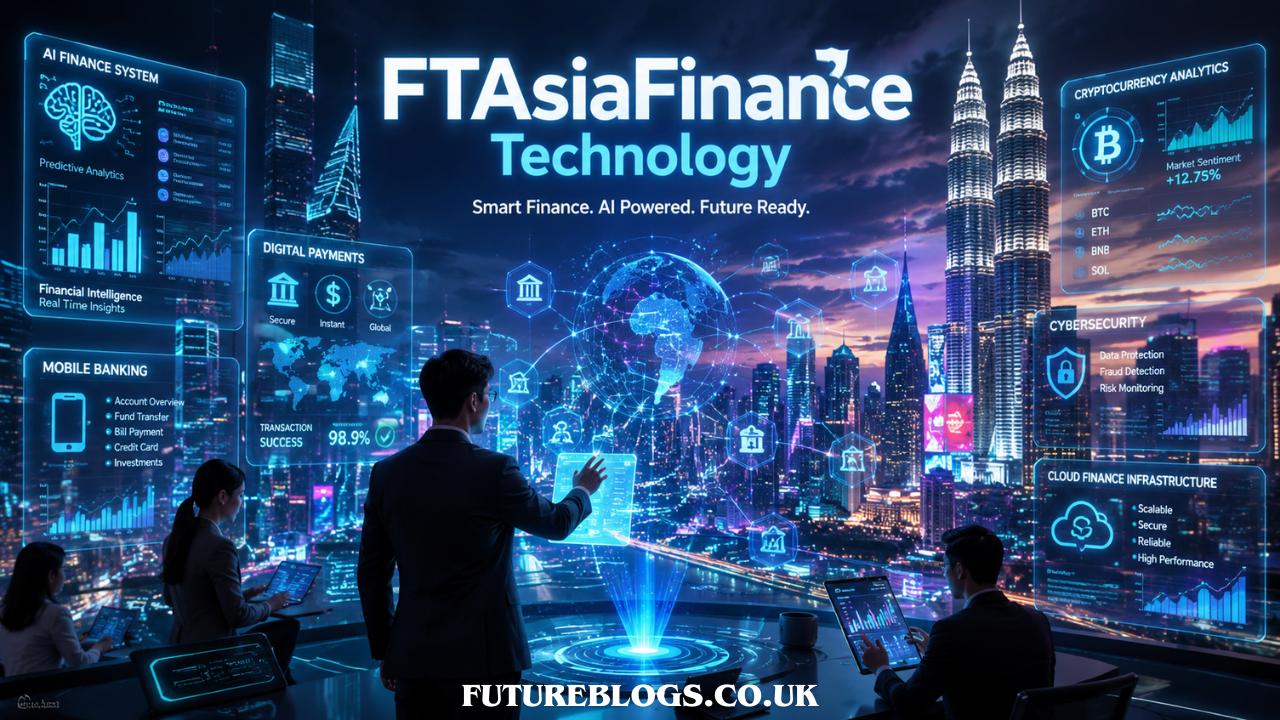
The global financial industry is evolving faster than ever, and one of the biggest driving forces behind this transformation is ftasiafinance technology. From AI-powered banking systems to blockchain-based payment networks, financial technology is changing how businesses, banks, investors, and everyday users manage money in the digital age.
Across Asia, fintech innovation is creating smarter banking solutions, faster digital payments, safer online transactions, and more accessible financial services. Consumers now expect instant transfers, mobile banking apps, personalized investment tools, and secure cloud-based financial platforms. This growing demand has pushed ftasiafinance technology into the spotlight as a major trend in modern finance.
What makes this shift even more important is how technology is improving financial inclusion. Millions of people who once had limited access to banking services can now use digital wallets, online payment systems, and mobile financial apps directly from their smartphones.
As artificial intelligence, blockchain, and automation continue to advance, ftasiafinance technology is becoming a key part of the future global economy.
What Is FTAsiaFinance Technology?
FTAsiaFinance technology refers to the integration of advanced digital technologies into the financial ecosystem, particularly within Asian markets and fintech industries. It includes innovations such as:
- Artificial intelligence in finance
- Blockchain technology
- Digital banking systems
- Mobile payment platforms
- Cloud-based financial services
- Trading automation
- Financial cybersecurity solutions
The main purpose of ftasiafinance technology is to improve financial efficiency, security, speed, and accessibility for businesses and consumers.
Today, many fintech startups and traditional banks are investing heavily in smart financial technologies to stay competitive in the rapidly changing digital economy.
Key Features of FTAsiaFinance Technology
AI-Powered Financial Services
Artificial intelligence is one of the strongest pillars of ftasiafinance technology. Financial institutions use AI to automate customer service, detect fraud, analyze risks, and provide personalized banking experiences.
Common AI applications include:
- AI chatbots for banking support
- Fraud detection systems
- Automated credit scoring
- Predictive financial analytics
- Robo-advisors for investments
According to industry reports, AI-driven banking solutions can reduce operational costs by up to 30% while improving customer satisfaction.
Blockchain Integration
Blockchain technology has transformed transaction security and transparency within ftasiafinance technology ecosystems.
Blockchain helps financial institutions by:
- Securing digital transactions
- Reducing fraud risks
- Improving payment speed
- Supporting decentralized finance (DeFi)
- Enabling smart contracts
Many Asian fintech companies are actively exploring blockchain-powered financial systems for cross-border payments and digital asset management.
Digital Payments and Mobile Wallets
Digital payments are another major component of ftasiafinance technology. Countries across Asia are experiencing rapid growth in contactless payment systems and mobile wallet adoption.
Popular technologies include:
- QR code payments
- NFC transactions
- Peer-to-peer payment apps
- E-wallet systems
- Real-time payment gateways
The rise of mobile-first economies has significantly accelerated digital payment innovation.
Smart Banking Systems
Traditional banking is becoming smarter through automation and cloud-based infrastructure. Modern banks now use:
- AI-powered analytics
- Digital onboarding systems
- Automated loan approvals
- Personalized banking dashboards
- Virtual banking assistants
These innovations improve customer convenience while reducing operational delays.
Financial Cybersecurity
As digital finance grows, cybersecurity has become essential for protecting sensitive financial information.
FTAsiaFinance technology focuses heavily on:
- Data encryption
- Multi-factor authentication
- AI threat detection
- Secure cloud storage
- Fraud monitoring systems
Cybersecurity investments are expected to continue rising as online financial activity expands globally.
How FTAsiaFinance Technology Is Changing the Financial Industry
Banking Transformation
Digital transformation has completely reshaped modern banking. Customers no longer want long waiting times or physical paperwork. Instead, they expect fast, secure, and mobile-friendly financial services.
With ftasiafinance technology, banks can now offer:
- Instant account opening
- Digital verification
- 24/7 online banking
- AI-powered customer support
- Smart budgeting tools
This has significantly improved customer experiences worldwide.
Financial Inclusion
One of the biggest advantages of ftasiafinance technology is financial accessibility.
Millions of unbanked individuals in developing regions can now access:
- Mobile banking
- Microloans
- Online savings accounts
- Digital insurance services
- Mobile payment platforms
This innovation is helping small businesses and underserved communities participate in the digital economy.
Online Investing and Trading Automation
Investment platforms are also becoming smarter through fintech innovation.
Modern trading technologies now provide:
- Real-time market analytics
- Automated trading bots
- AI-based investment recommendations
- Portfolio management dashboards
- Blockchain asset trading
These tools simplify investing for beginners while improving efficiency for experienced traders.
Major Benefits of FTAsiaFinance Technology
1. Faster Transactions
Digital payment systems process transactions within seconds, improving both business operations and customer satisfaction.
2. Better Security
Advanced encryption and AI monitoring reduce financial fraud risks.
3. Lower Operational Costs
Automation helps banks and fintech companies minimize manual workloads.
4. Improved Accessibility
Users can access financial services anytime through smartphones and cloud platforms.
5. Enhanced User Experience
Modern financial apps provide smoother interfaces and personalized services.
6. Real-Time Financial Insights
AI analytics tools help businesses make faster and smarter financial decisions.
Real-World Examples and Case Studies
Mobile Wallet Growth in Asia
Countries like China, Singapore, and India have experienced massive growth in digital wallet usage. Mobile payment systems now handle billions of transactions annually.
This rapid adoption highlights the influence of ftasiafinance technology on consumer behavior and financial convenience.
AI Fraud Detection Systems
Many banks now use AI-powered fraud detection systems that analyze transaction behavior in real time. These tools can instantly flag suspicious activities and prevent cybercrime.
Digital Banking Success Storie
Digital-only banks have become increasingly popular because they offer:
- Faster services
- Lower fees
- Better mobile experiences
- Easy account management
These features attract younger consumers who prefer online financial solutions over traditional banking methods.
Challenges and Risks
Despite its advantages, ftasiafinance technology also faces several challenges.
Data Privacy Concerns
Financial institutions must protect sensitive user data from cyberattacks and unauthorized access.
Cybersecurity Threats
As online finance expands, hackers continuously target digital payment systems and banking platforms.
Regulatory Compliance
Different countries have varying fintech regulations, making global expansion more complex for financial companies.
Market Competition
The fintech industry is highly competitive, with startups and established banks competing for digital market dominance.
Future Trends of FTAsiaFinance Technology
AI Finance Evolution
Artificial intelligence will continue improving automation, fraud prevention, and customer personalization.
Blockchain Banking
Blockchain-based financial systems may reduce transaction costs while improving transparency and efficiency.
Embedded Finance
Businesses outside the banking sector are integrating financial services directly into apps and online platforms.
Examples include:
- Buy now, pay later systems
- In-app payments
- Integrated lending solutions
Smart Investment Platforms
AI-powered investment platforms will likely become more advanced, offering predictive analytics and automated portfolio optimization.
Fintech Automation
Automation will continue reducing manual financial processes and increasing operational speed.
Expert Insights
Industry experts believe the next decade will be heavily influenced by fintech innovation, particularly across Asian markets where mobile-first financial ecosystems are rapidly expanding.
The future of ftasiafinance technology will likely focus on:
- Hyper-personalized banking
- Decentralized finance systems
- AI-driven investment tools
- Advanced cybersecurity infrastructure
- Financial inclusion for underserved populations
Experts also predict stronger collaboration between traditional banks and fintech startups to create more efficient digital financial ecosystems.
Conclusion
The rise of ftasiafinance technology marks a major shift in how the global financial industry operates. From AI-powered banking to blockchain transactions and digital payment ecosystems, technology is making finance smarter, faster, and more accessible.
As fintech innovation continues to evolve, businesses and consumers must stay informed about emerging trends and opportunities. The financial world is becoming increasingly digital, and those who adapt early will benefit the most from this transformation.
Whether it is mobile banking, online investing, cybersecurity, or blockchain finance, ftasiafinance technology is shaping the future of modern finance in powerful ways.
Frequently Asked Questions (FAQs)
What is ftasiafinance technology?
FTAsiaFinance technology refers to modern financial technologies such as AI, blockchain, digital banking, cybersecurity, and online payment systems used to improve financial services.
Why is ftasiafinance technology important?
It improves transaction speed, security, accessibility, and financial innovation while helping businesses and consumers manage finances more efficiently.
How does ftasiafinance technology use artificial intelligence?
AI is used for fraud detection, customer support chatbots, investment recommendations, predictive analytics, and automated financial services.
Is blockchain part of ftasiafinance technology?
Yes, blockchain plays a major role in improving transaction security, transparency, and decentralized financial operations.
What is the future of ftasiafinance technology?
The future includes AI-driven finance, smart banking systems, embedded finance, blockchain banking, automated investing, and improved financial inclusion globally.
