

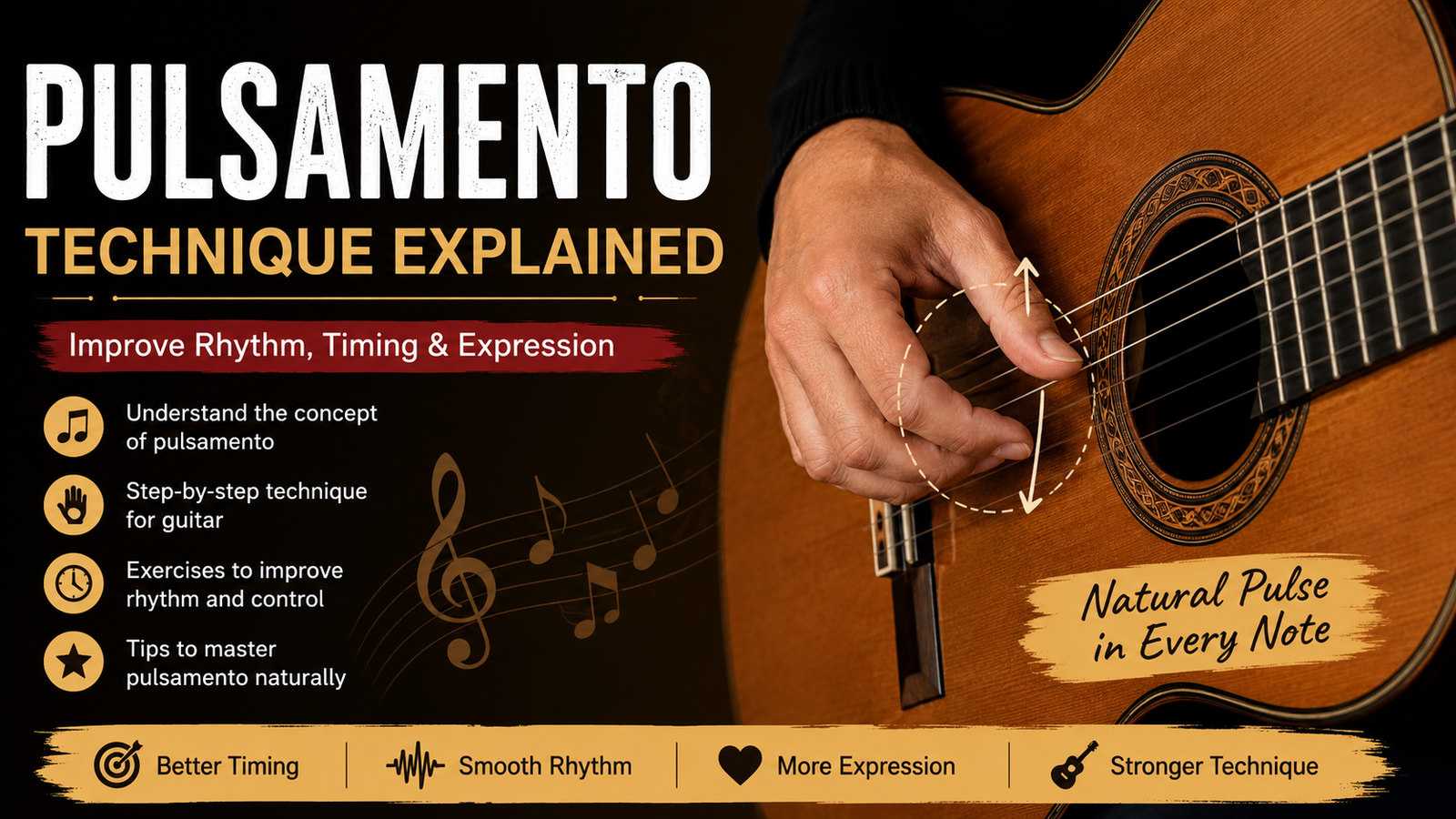
Music is not only about playing notes correctly; it is about how those notes are expressed, shaped, and felt. One of the most important elements in string-based music, especially guitar playing, is rhythm and touch. This is where pulsamento becomes an essential concept for musicians and learners. It represents the natural pulse or rhythmic movement created while playing strings, helping musicians bring life and emotion into their performance. Whether you are a beginner or someone exploring classical or folk guitar styles, understanding pulsamento can significantly improve your musical expression.
What is Pulsamento?
Pulsamento is a musical concept that refers to the rhythmic pulse created when strings are played through controlled plucking or strumming. It is not just a technical action but also a feeling of timing and flow within music. In guitar playing, pulsamento helps maintain consistency in rhythm while ensuring that each note connects smoothly with the next. This concept is widely used in classical and traditional guitar styles where expression and timing are equally important.
How Pulsamento Works in Music and Guitar Playing
In practical terms, pulsamento is created when a guitarist uses the fingers or hand to produce a steady rhythmic motion across strings. This motion forms the foundation of timing in many musical pieces. Instead of focusing only on individual notes, the player focuses on the continuous flow of rhythm. This helps create a musical heartbeat that guides the entire performance.
Basic Technique Steps to Develop Pulsamento
Learning pulsamento requires patience and consistent practice. Beginners usually start by focusing on slow and controlled movements. The first step is to ensure that your hand position is relaxed, as tension can affect rhythm quality. Next, practice simple plucking patterns on open strings to build familiarity with timing.
Once comfortable, you can move on to alternating finger movements to create a steady rhythm. The goal is not speed but consistency. Each note should feel evenly spaced and connected. As you progress, you will notice that pulsamento naturally improves your sense of timing and coordination between both hands.
Common Mistakes While Practicing Pulsamento
Many beginners struggle with maintaining consistency when learning pulsamento. One of the most common mistakes is playing too fast before mastering control. Speed often leads to uneven rhythm, which breaks the natural flow of music. Another mistake is applying too much pressure while plucking strings, which can reduce sound quality and create tension in the hand.
Importance of Pulsamento in Musical Expression
Pulsamento plays a crucial role in shaping how music feels to the listener. It is not just about keeping time; it is about adding emotion and depth to performance. When a musician masters pulsamento, even simple melodies sound more engaging and expressive. The rhythm becomes more natural, allowing the listener to feel the flow of music rather than just hear it.
Practice Exercises to Improve Pulsamento
Improving pulsamento requires regular and focused practice. One effective exercise is to play slow arpeggios on open strings while maintaining a steady rhythm. This helps develop control and timing. Another useful exercise is alternating between two or three strings in a repeated pattern, ensuring that each note is evenly spaced.
You can also practice with a metronome to strengthen your internal sense of timing. Start slow and gradually increase the tempo as you become more comfortable.
Tips to Master Pulsamento Effectively
To truly master pulsamento, consistency is more important than intensity. Short daily practice sessions are more effective than long irregular ones. Focus on maintaining a relaxed hand position throughout your practice to avoid fatigue and tension.
Listening to experienced guitarists can also help you understand how pulsamento sounds in real performances. Pay attention to how rhythm flows naturally without sounding forced.
Conclusion
Pulsamento is more than just a technical skill; it is the foundation of musical rhythm and expression in string instruments. By learning and practicing it consistently, musicians can transform simple notes into meaningful musical phrases.
FAQs
What is pulsamento in simple words?
Pulsamento is the steady rhythmic pulse created when playing string instruments like guitar. It helps music sound smooth and connected.
Is pulsamento difficult to learn?
It is not difficult, but it requires patience and regular practice. Slow practice helps beginners improve quickly.
Why is pulsamento important in guitar playing?
It improves rhythm, timing, and musical flow, making performances sound more natural and expressive.
How can I practice pulsamento daily?
You can practice by playing slow string patterns, using a metronome, and focusing on even timing.
Does pulsamento work in all music styles?
Yes, it is mainly used in classical and traditional music but can improve rhythm in many styles.
